Essential Tips for New Dirt Bike Enthusiasts

Dirt biking is more than just a hobby; it’s a thrilling adventure that combines skill, speed, and the great outdoors. For newcomers, the world of dirt biking can seem overwhelming, filled with technical jargon, safety concerns, and a myriad of choices. However, with the right guidance, you can navigate this exciting landscape and enjoy every ride. This post will provide essential tips for new dirt bike enthusiasts, ensuring you start your journey on the right foot.
Understanding the Basics of Dirt Biking
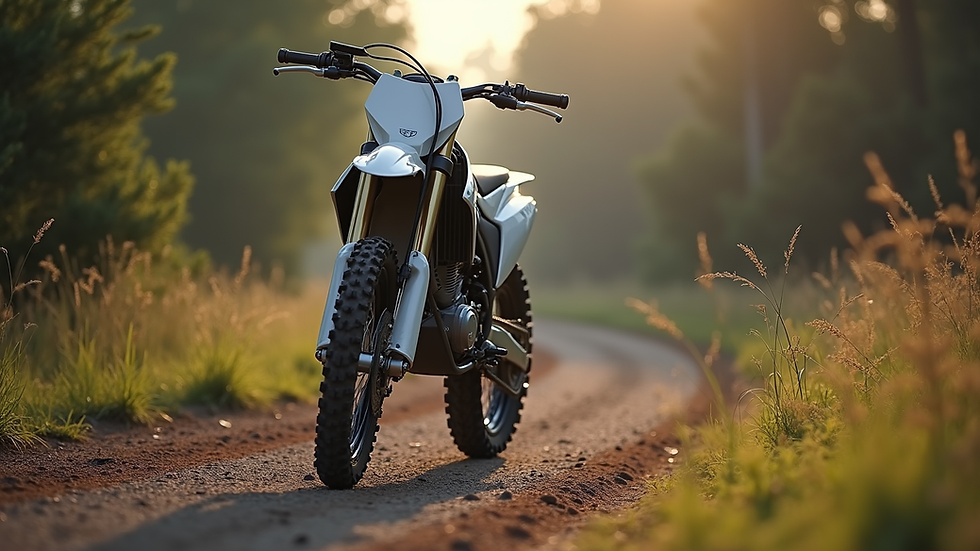
Before you hop on a dirt bike, it's crucial to understand the basics. Dirt biking involves riding motorcycles designed for off-road conditions. These bikes are built to handle rough terrains, including mud, sand, and rocky paths. Here are some key components to familiarize yourself with:
Types of Dirt Bikes
Motocross Bikes: Lightweight and designed for racing on closed circuits. They have high-performance engines and are not street-legal.
Trail Bikes: Heavier and more durable, these bikes are perfect for beginners and are designed for off-road trails.
Enduro Bikes: A hybrid of motocross and trail bikes, enduro bikes are built for long-distance rides on varied terrains.
Essential Gear for Safety
Safety should always be your top priority. Here’s a list of essential gear every dirt biker should invest in:
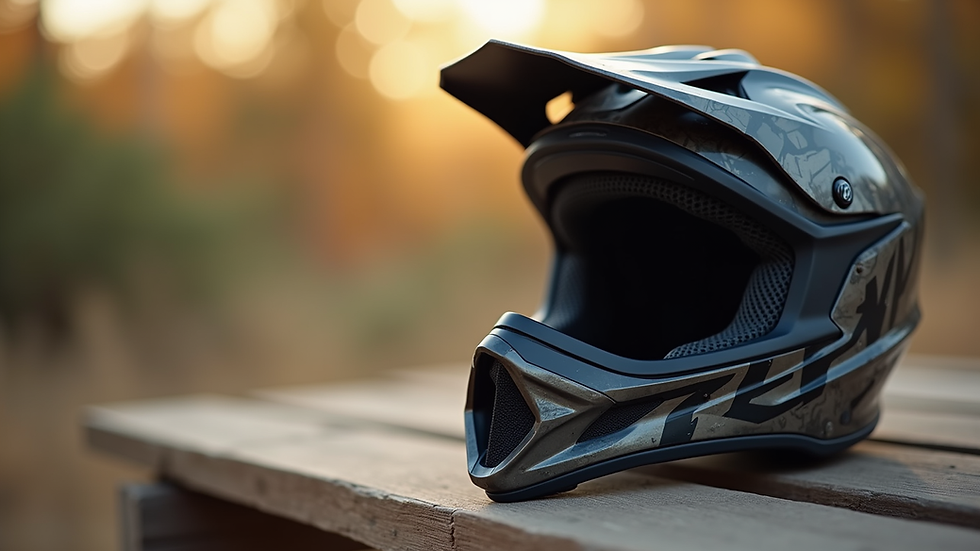
Helmet: A DOT-approved helmet is non-negotiable. It protects your head from impacts.
Goggles: Protect your eyes from dirt and debris.
Gloves: Offer grip and protect your hands.
Boots: Sturdy, high-top boots protect your ankles and feet.
Protective Clothing: Wear long sleeves and pants made from durable materials to shield your skin.
Choosing the Right Dirt Bike
Selecting the right dirt bike is crucial for your comfort and safety. Here are some factors to consider:
Skill Level
Beginners: Look for a bike with a smaller engine size (around 125cc). These bikes are easier to handle and control.
Intermediate Riders: If you have some experience, consider bikes with engine sizes between 125cc and 250cc.
Advanced Riders: For seasoned riders, bikes with 250cc and above offer more power and speed.
Fit and Comfort
Ensure the bike fits you well. Stand over the bike; you should be able to touch the ground with your toes. Adjust the seat height if necessary. Comfort is key to enjoying your rides.
Maintenance Considerations
Dirt bikes require regular maintenance. Familiarize yourself with basic maintenance tasks, such as checking tire pressure, changing oil, and cleaning air filters. This knowledge will keep your bike in top shape and prolong its lifespan.
Learning the Ropes
Once you have your gear and bike, it’s time to hit the trails. Here are some tips for learning how to ride effectively:
Take a Safety Course
Consider enrolling in a dirt bike safety course. These courses teach essential riding skills and safety practices. You'll learn how to handle your bike in various conditions and improve your confidence on the trails.
Start Slow
Begin on flat, open terrain to get a feel for your bike. Practice starting, stopping, and turning. As you gain confidence, gradually move to more challenging terrains.
Master the Controls
Familiarize yourself with the bike's controls, including the throttle, brakes, and clutch. Understanding how to use these controls effectively is crucial for safe riding.
Riding Techniques for Beginners
As you become more comfortable on your bike, focus on improving your riding techniques. Here are some essential techniques to master:
Body Positioning
Your body position can significantly affect your control over the bike. Keep your knees tight against the bike, and lean forward when accelerating. Shift your weight back when descending hills to maintain balance.
Cornering
When approaching a corner, slow down and lean into the turn. Look where you want to go, not at the ground. This technique helps you maintain control and navigate turns smoothly.
Braking
Learn to use both front and rear brakes effectively. The front brake provides most of the stopping power, while the rear brake helps stabilize the bike. Practice braking in a straight line before attempting to brake while turning.
Navigating Different Terrains
Dirt biking often involves riding on various terrains, each presenting unique challenges. Here’s how to handle different surfaces:
Sand
When riding on sand, keep your weight back and maintain a steady throttle. Avoid sudden movements, as they can cause the bike to sink.
Mud
In muddy conditions, keep your speed up to avoid getting stuck. Use smooth throttle control and avoid abrupt movements.
Rocks
When navigating rocky terrains, stand up on the pegs to absorb shocks. Keep your weight centered and look ahead to anticipate obstacles.
Joining the Dirt Biking Community
One of the best aspects of dirt biking is the community. Connecting with fellow enthusiasts can enhance your experience. Here’s how to get involved:
Find Local Clubs
Look for local dirt biking clubs or groups. These organizations often host rides, events, and training sessions. Joining a club can provide valuable tips and support from experienced riders.
Attend Events
Participate in dirt biking events, such as races or trail rides. These gatherings are great opportunities to meet other riders, learn new skills, and enjoy the camaraderie of the dirt biking community.
Online Forums and Social Media
Engage with online forums and social media groups dedicated to dirt biking. These platforms are excellent for sharing experiences, asking questions, and finding riding partners.
Maintaining Your Dirt Bike
Proper maintenance is essential for keeping your dirt bike in peak condition. Here are some maintenance tips to follow:
Regular Inspections
Conduct regular inspections of your bike. Check the brakes, tires, and chain for wear and tear. Address any issues promptly to avoid accidents.
Cleaning
After each ride, clean your bike to remove dirt and mud. This practice helps prevent corrosion and keeps your bike looking great.
Oil Changes
Change the oil regularly, as recommended by the manufacturer. Fresh oil keeps the engine running smoothly and prolongs its life.
Conclusion
Dirt biking is an exhilarating sport that offers endless adventures. By following these essential tips, you can ensure a safe and enjoyable experience as a new dirt bike enthusiast. Remember to prioritize safety, invest in the right gear, and continuously improve your skills. As you embark on this exciting journey, stay connected with the community and embrace every ride. Happy trails!

Comments